

20 Mar Debunking common gambling myths What you need to know
Debunking common gambling myths What you need to know
Understanding the House Edge
Many gamblers believe that they can outsmart the house, assuming that if they play long enough, they will eventually win big. This misconception overlooks the concept of the house edge, which is an inherent advantage that casinos have over players in most games. The house edge ensures that, over time, the casino is more likely to come out ahead, regardless of individual game outcomes. Those looking for insights into betting can start by exploring top casas de apuestas, where information and strategies are readily available.
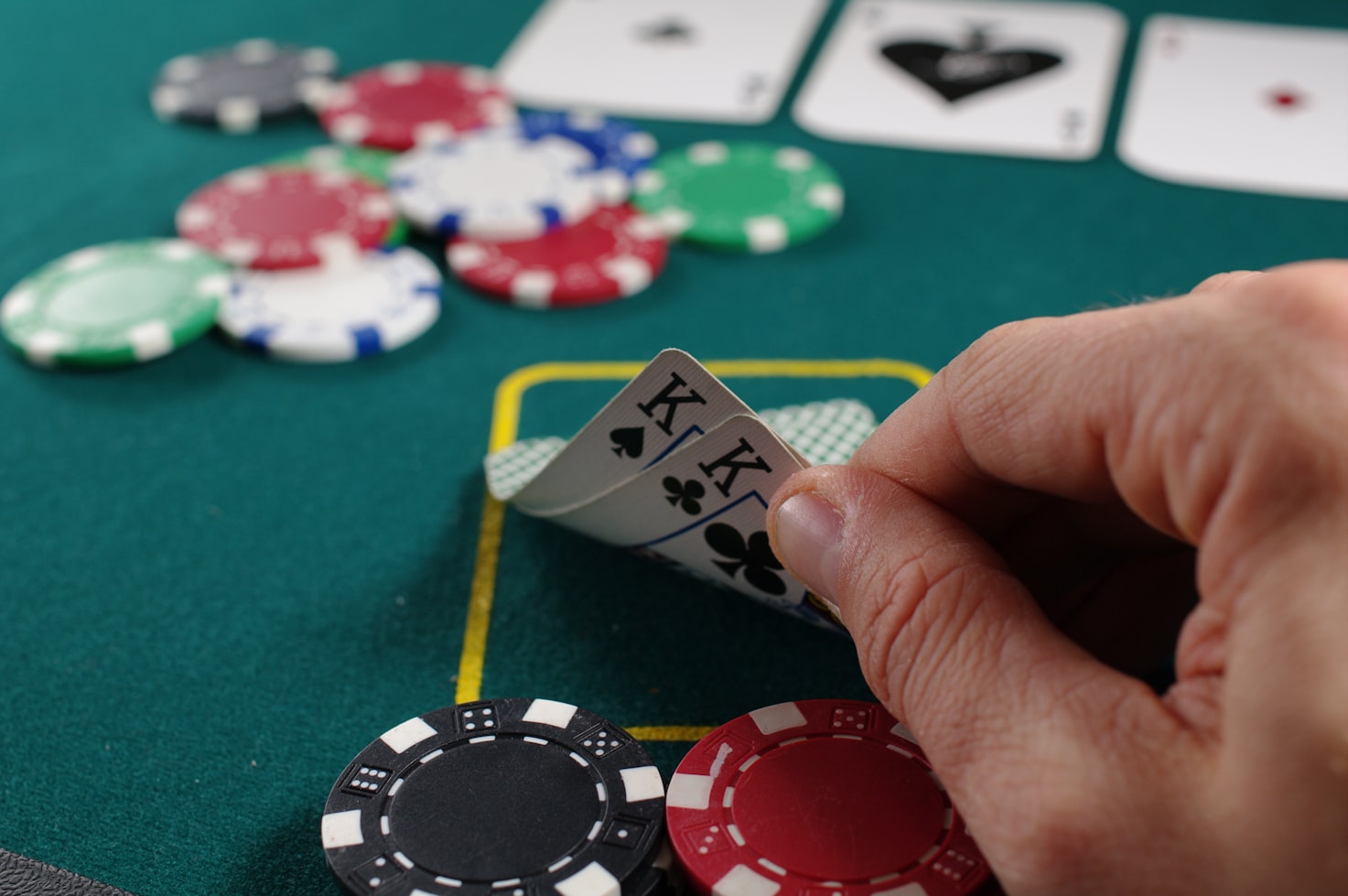
This myth often leads players to chase losses, believing they can turn their luck around. In reality, understanding the house edge helps players make informed decisions about game selection and risk management. Knowledge of this concept can lead to more responsible gambling practices and a greater appreciation of the games.
Myths About Lucky Systems and Strategies
Many gamblers are drawn to the idea that a specific betting system or strategy can guarantee wins. Whether it’s the Martingale system or some other approach, these methods are often marketed as foolproof ways to beat the odds. However, the truth is that no system can alter the fundamental probabilities of a game, as each outcome is independent of previous results.
Believing in these systems can lead to significant financial losses and disappointment. Gamblers should recognize that luck plays a significant role in gambling, and no strategy can change that. Instead of relying on myths, players should focus on understanding the games they play and enjoying the experience.
Chasing Losses: A Dangerous Cycle
One of the most common myths is that players can recover their losses by simply betting more. This mentality, often referred to as chasing losses, can quickly spiral out of control, leading to increased financial strain and emotional distress. Many gamblers fall into this trap, mistakenly believing that their luck will eventually change.
Understanding the psychology behind chasing losses is crucial for responsible gambling. Players should set limits and stick to them, viewing gambling as a form of entertainment rather than a way to make money. This perspective can prevent the emotional rollercoaster that often accompanies gambling and reduce the risk of developing problematic behaviors.
The Role of Luck vs. Skill
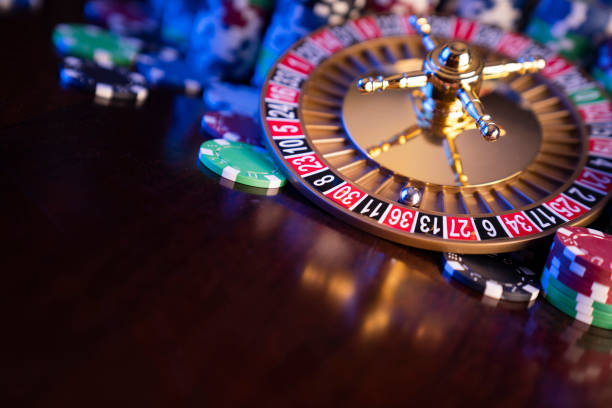
A prevalent myth is that gambling is purely based on luck, which overlooks the significant role that skill plays in various games. While games of chance like slot machines rely heavily on random outcomes, other games, such as poker and blackjack, require skill, strategy, and a deep understanding of the game to be successful. Players who invest time in honing their skills often enjoy a better chance of winning.
Recognizing the distinction between luck and skill can lead to more strategic gameplay and informed decision-making. Gamblers should seek to improve their skills in games that require them, which can enhance both the enjoyment and potential success in the long run.
Trusting Reliable Information Sources
In today’s digital age, misinformation about gambling is rampant. Many individuals rely on hearsay, social media, or unverified online sources to shape their understanding of gambling. This can perpetuate myths and misconceptions, leading to poor decision-making and negative experiences.
For accurate and reliable information, it’s essential to turn to reputable sources. Websites and organizations that focus on responsible gambling can provide valuable insights and data that help debunk common myths. By relying on trustworthy information, gamblers can make informed choices and foster a healthier relationship with their gambling activities.