

24 Feb Understanding the psychological triggers that influence gambling behavior
Understanding the psychological triggers that influence gambling behavior
The Role of Emotion in Gambling
Emotion plays a pivotal role in gambling behavior, often driving individuals to engage in risky activities despite potential negative consequences. For many, the thrill of gambling creates an emotional high that can be addictive. This rush, often likened to an adrenaline surge, can lead players to seek out gambling as a means of escaping everyday stresses. Understanding how emotions influence decisions is crucial for recognizing why individuals may gamble more than they can afford.
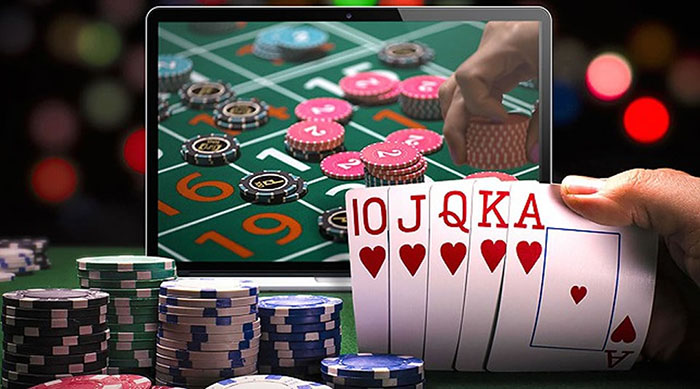
The interplay between positive and negative emotions also significantly impacts gambling behavior. While some players may chase the high of winning, others might gamble to cope with feelings of sadness or anxiety. This emotional rollercoaster can perpetuate a cycle of gambling as a form of self-medication, making it essential to address the underlying emotional issues that may fuel excessive gambling. Chicken Plinko app
Cognitive Biases and Illusions of Control
Cognitive biases are mental shortcuts that can lead to flawed decision-making, particularly in gambling. One prevalent cognitive bias is the illusion of control, where individuals believe they can influence the outcome of random events. For example, a gambler may think they have a winning strategy or that they can predict outcomes based on past results, despite the inherent randomness in games of chance.
The Influence of Social Factors
Social factors play an essential role in shaping gambling behavior. Peer pressure, societal norms, and even cultural attitudes toward gambling can encourage individuals to participate in gambling activities. In environments where gambling is celebrated or normalized, individuals may feel more compelled to join in, often leading to an increase in gambling frequency and expenditure.
The Impact of Marketing and Accessibility
Marketing strategies and the accessibility of gambling platforms significantly influence gambling behavior. Modern advertising often portrays gambling as an exciting and glamorous activity, downplaying potential risks. As online gambling platforms proliferate, the ease of access has made it simpler for individuals to engage in gambling at any time, further heightening the risks associated with impulsive behavior.

Explore Engaging Gambling Experiences Online
Online gaming platforms like Chicken Plinko offer a unique twist on traditional gambling experiences. With vibrant graphics and interactive gameplay, such platforms attract a wide range of players. The incorporation of features like bonus rounds and multipliers adds to the excitement, making it even more appealing for casual players and seasoned gamblers alike.